We’ve all experienced that moment in front of an open closet: a wedding in three days, an impromptu after-work gathering, or a client meeting via video call, and nothing seems to fit. The problem isn’t the number of clothes; it’s the lack of instinct to put together an outfit suitable for the occasion. Building looks for specific events requires fewer pieces than one might think, as long as you understand a few concrete mechanisms.
Hybrid Office Attire: The Dress Code Has Changed
Since the rise of hybrid work, office dress codes no longer function by fixed categories (formal, casual Friday). We now think in terms of intention level: client meeting, internal day, video conference from home. Each situation calls for a nuance, not a complete wardrobe.
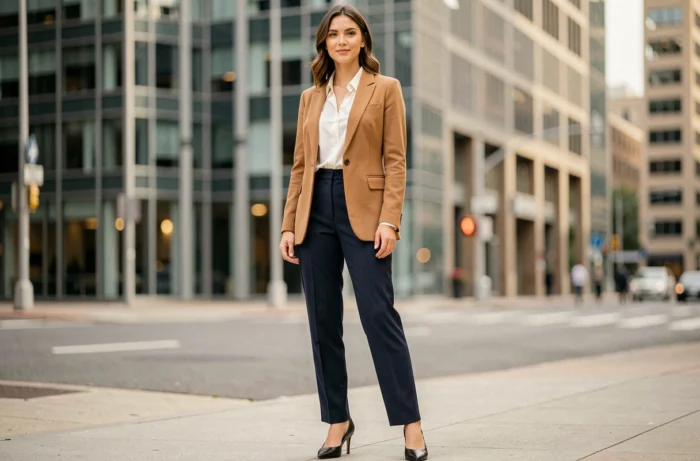
The effective instinct is to aim for one notch above the ambient dress code. On an internal day, well-cut soft trousers with a structured sweater are sufficient. For a client meeting, we switch to a blazer and closed shoes. The quiet luxury logic, with understated pieces and soft materials, is gradually replacing the strict suit, just like the post-Covid tracksuit.
To find combinations suitable for this type of situation, one can explore tools like https://www.keskejmets.fr/ that offer outfit ideas by context.
A common pitfall: buying “office” clothes separate from “weekend” clothes. A good pair of fluid pleated trousers, worn with white sneakers on Saturday and loafers on Tuesday, covers two occasions without duplicates in the closet.
Wedding and Ceremony Attire: Avoid Textile Casting Errors
You don’t choose a wedding outfit like you choose an evening gown. The constraints are threefold: respect an often implicit dress code, stand for several hours, and not overshadow the newlyweds. Many guides recommend “a beautiful dress,” which helps no one.
Dresses and Outfits for Summer Ceremonies
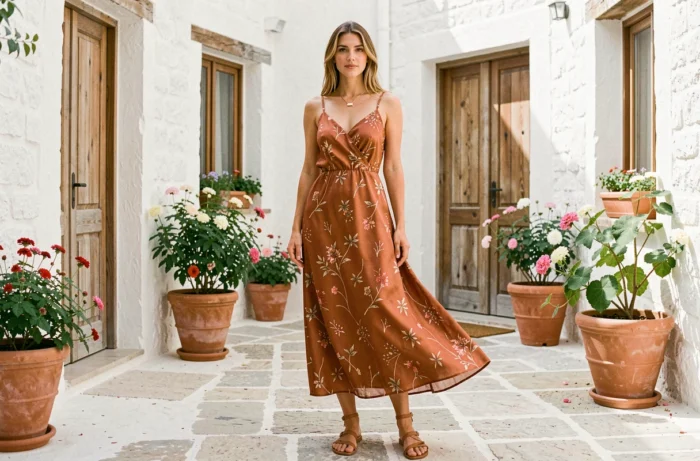
In summer, a midi dress in a fluid material (viscose, crepe) with low-heeled sandals remains a safe bet. Bold colors are making a strong comeback this season: terracotta, cobalt blue, sage green. White and black should still be avoided unless otherwise mentioned on the invitation card.
A two-piece set (structured top and matching skirt) advantageously replaces the dress when you want to reuse each piece separately. It’s a cost-per-use calculation that few fashion tips mention, but it makes a difference in the long run.
Autumn Ceremony: Layering Without Adding Weight
For autumn-winter, current trends point towards velvet and enveloping cuts. A fine corduroy dress worn with a short cape or an oversized blazer gives an elegant result without the rigidity of a classic suit.
- Favor materials that don’t wrinkle after two hours of sitting (crepe, thick jersey, structured knit)
- Prepare a pair of flat shoes in the bag for the end of the evening, especially on grass or cobblestones
- Check the transparency of the fabric in natural light before purchase; photos in stores under neon lights are systematically misleading
Festival and Outdoor Event Attire: The Forgotten Category in Fashion Guides
Festival outfits represent a blind spot in most occasion-based fashion advice. We often talk about parties or weddings, rarely about this very specific situation: being outside for several hours, moving a lot, facing the weather, and still wanting a polished look.
The foundation of a festival look consists of three stackable layers. A light top (crop top, tank top, open shirt), an intermediate piece that can be tied at the waist (overshirt, denim jacket), and a durable bottom (wide jeans, long cotton skirt, denim shorts).
Shoes are the critical point. Feedback varies on this depending on the terrain, but thick-soled boots overwhelmingly dominate over moisture-absorbing sneakers. Sandals, as tempting as they may be in July, always end up trampled in the crowd.
Colors and Trendy Pieces for the Fall: What’s Changing in Looks
Fall 2026 confirms some clear movements. Bold colors and tactile materials (velvet, thick knit, soft leather) are taking precedence over the uniform neutral tones of previous seasons. We also note the return of pieces long deemed unflattering, now integrated into trendy silhouettes: pleated long skirts, extra-wide trousers, oversized jackets.
To build trendy outfits without overhauling your entire wardrobe, the most effective method is to identify two or three key pieces of the season and combine them with basics already present in the closet:
- An oversized velvet blazer worn over both jeans and a light dress
- A wide pleated wool-blend trouser, suitable for both office and weekend depending on the shoes
- A pair of knee-high square-toed boots, the most versatile shoe cut of the season
- An oversized knit scarf, which transforms a basic look into a structured silhouette
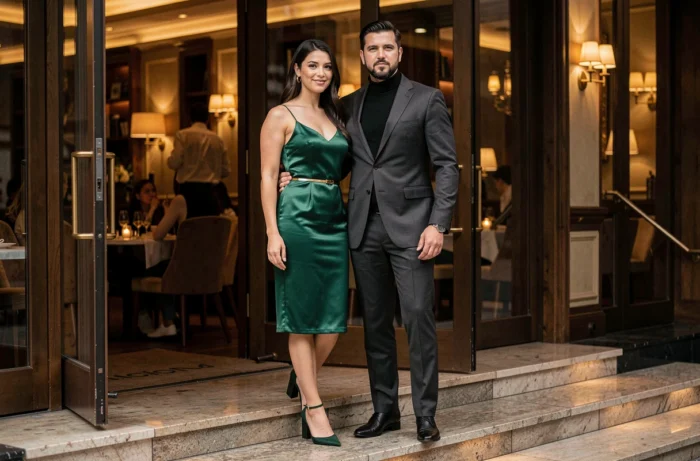
The real time saver comes from thinking by occasion, not by piece. Instead of asking, “what to wear with these trousers?”, we start from the situation (dinner with friends, remote work day, Sunday brunch) and assemble from that context. Three good combinations memorized by occasion category cover most needs without morning stress in front of the closet.